



Associate Professor, UAB Department of Sociology.
Romina TavernelliPostgraduate Diploma and Master’s Programme Coordinator 
Associate Professor, UAB Department of Theories of Education and Social Pedagogy.
Jordi Pàmies RoviraPostgraduate Diploma and Master’s Programme Coordinator Specialised in education and migration.
Research lines: Crimmigration, expulsion, Administrative Detention Centres (CRA), and migrant detention.
Diego BozaMaster’s Programme Coordinator 
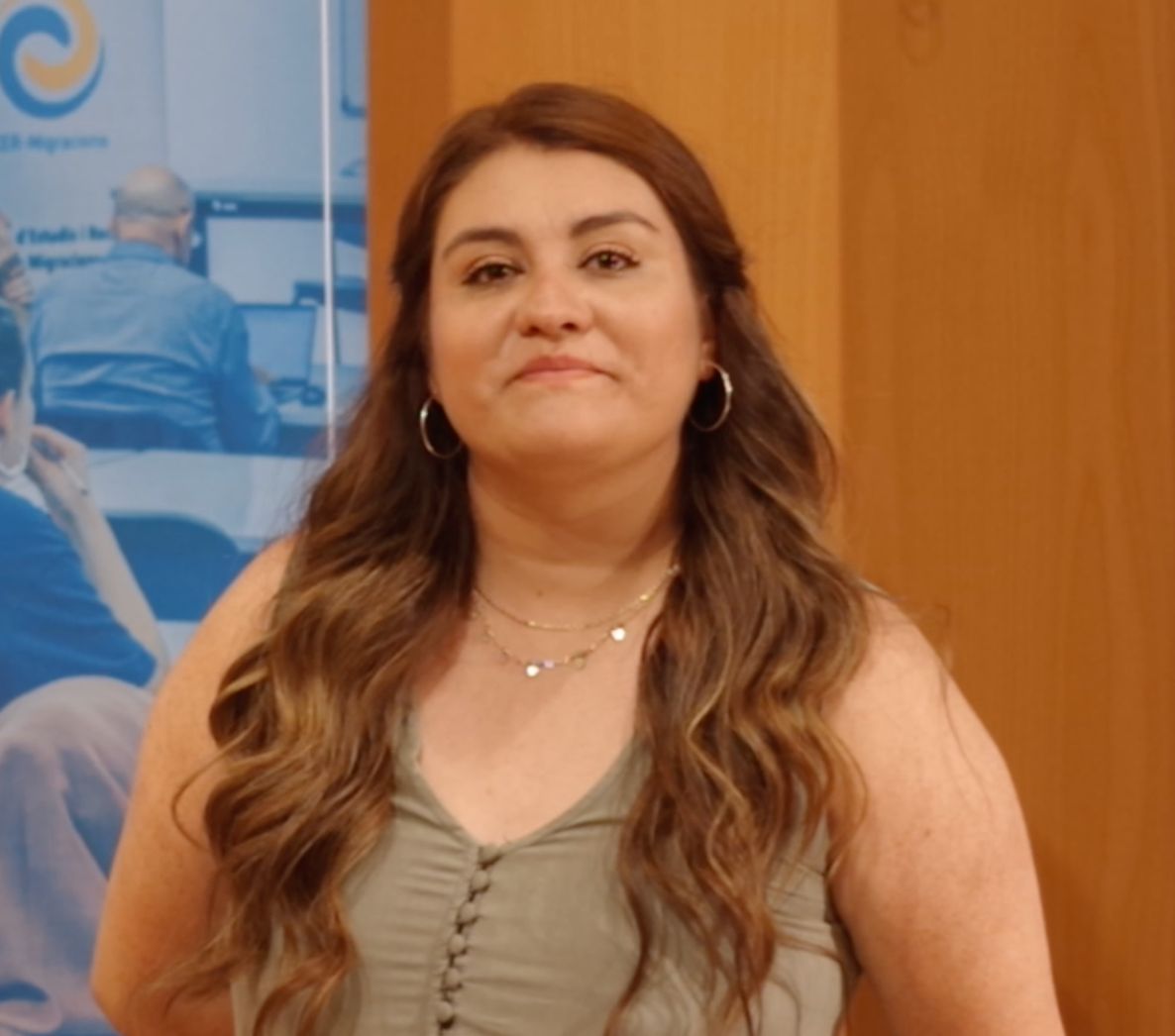
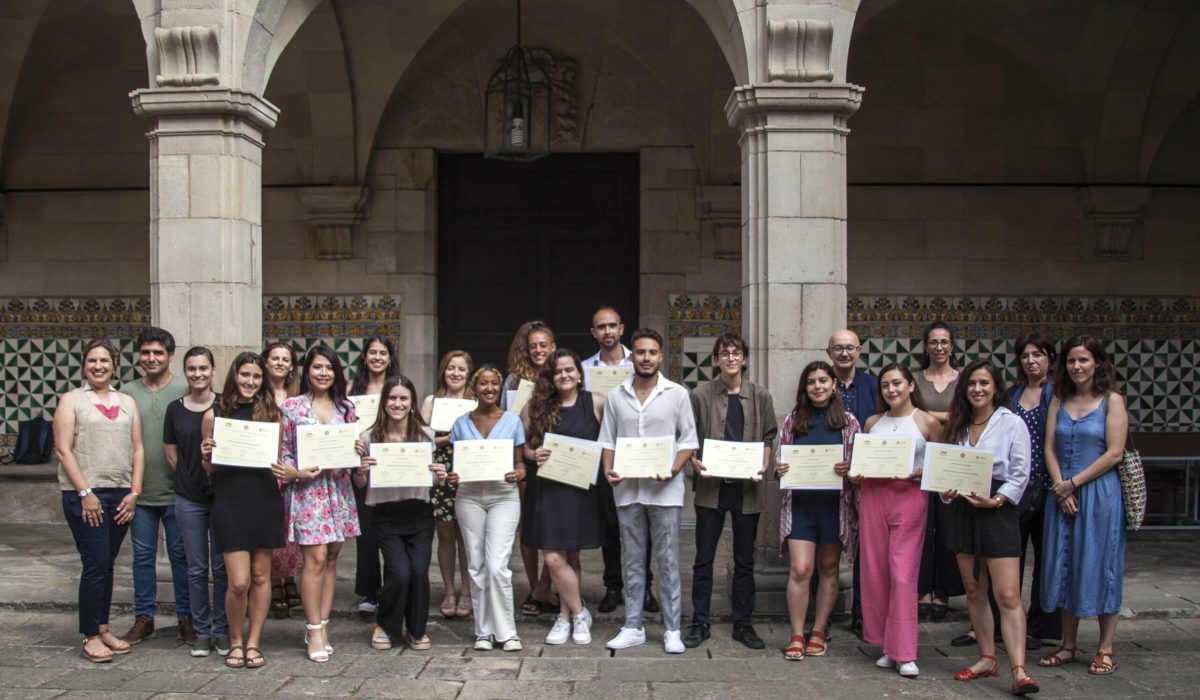
“Although my parents migrated 20 years ago, it was at university that I began to understand migration as a social phenomenon. The master’s programme allowed me to connect my family history with a legal and professional perspective. Today, while doing an internship at Caritas, I can see how everything connects.”
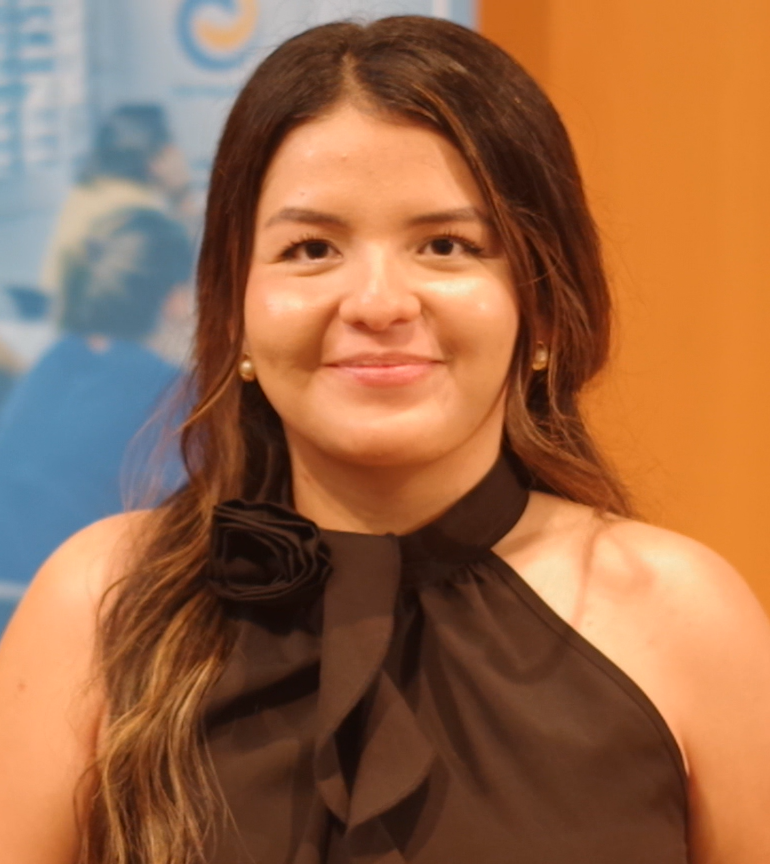
“I am a migrant and have been part of the migration movement for many years. First through activism, and later working with unaccompanied minors. Studying the master’s has given me confidence; I am now able to speak with depth. I am bringing together the personal, the professional and the academic in order to continue growing in this field.”
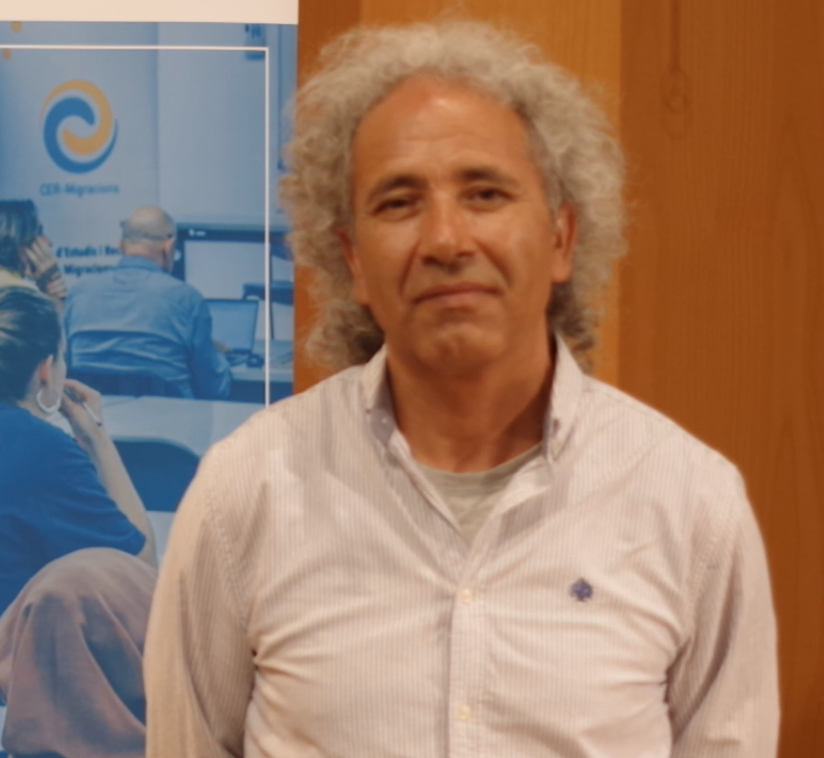
“For me, the best thing about the master’s programme has been gaining access to an internship opportunity that opened up my professional path. At the beginning, I felt very anxious about my future career, but thanks to this experience I feel that I am growing and that I have a clear sense of where I want to go.”
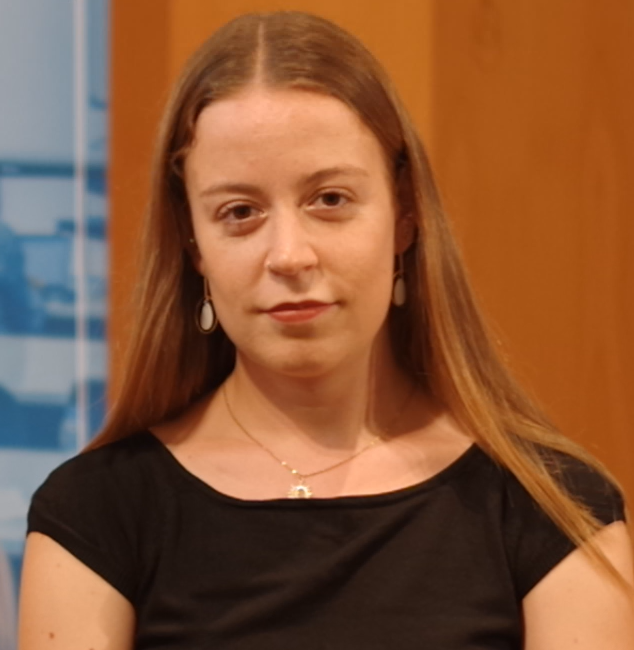
“What I value most is the diversity and multiculturalism. One class that truly marked me was taught by Professor Roland Fosso, because of his life story and his migration experience from Sub-Saharan Africa. I bought his book, read it, and felt that two hours of class were not enough: it touched my heart and made me realise that, although I have migrated myself, there are much harsher stories. It changed my perspective.”