
The Catalan Commission for Action on Refugees (CCAR), the Centre Delàs for Peace Studies, and the Migration Studies and Research Centre (CER-M) have published the report “Invisible Borders: The Reality at the French-Catalan Border”. This study is based on a human rights observation mission carried out between June and July 2025.
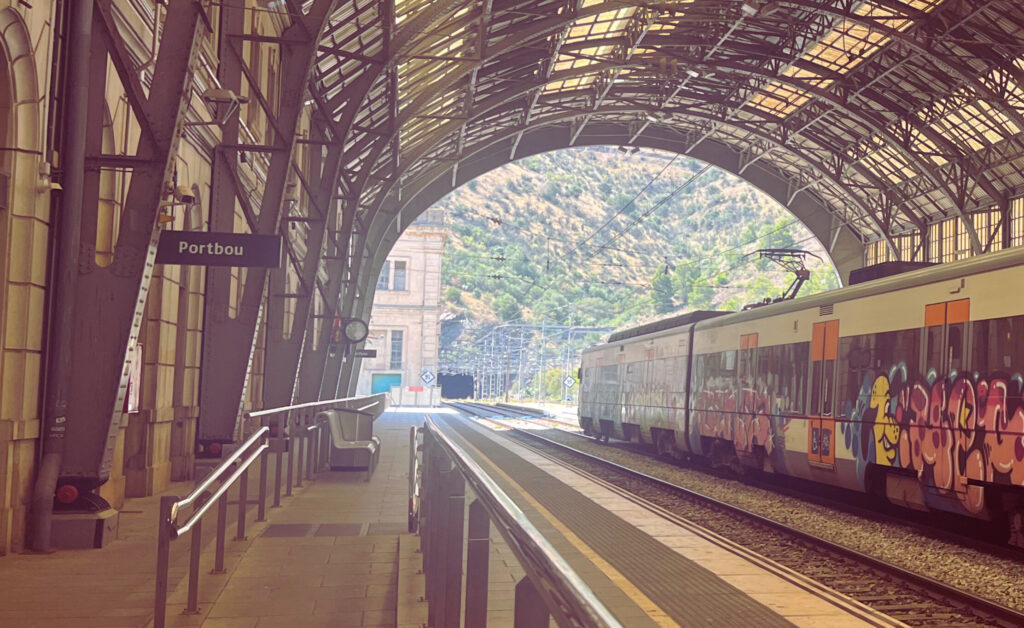
The team visited La Jonquera, Figueres, Portbou, Le Perthus, Le Boulou, Cerbère, and Perpignan to document how migration control is managed within the Schengen Area.

Key Findings
Despite the fact that the Schengen Area abolished systematic controls decades ago, the border continues to function as an active space for migration control. The report identifies:
Ethnic or racial profiling in stations, on roads, and at toll booths.
“Express” deportations and irregular readmissions, lacking both information and legal safeguards.
Failure to protect minors and vulnerable individuals.
Large-scale police deployments and arbitrary detentions.
Abandonment of returned individuals in areas lacking services, particularly between Portbou and Cerbère.
Increased detentions at the Perpignan CRA (Administrative Detention Centre).
Far-right groups acting as informants, alerting the police to the presence of migrants.
Risks to physical integrity due to the lack of safe routes.
Institutional opacity and a lack of updated public data.
The participating organisations call for a paradigm shift, moving away from the logic of control towards policies focused on dignity, legal guarantees, and effective protection.
New “Camins de Refugi” Website
To coincide with the publication of the report, CCAR presents the new project website, “Camins de Refugi” (Paths of Refuge). The site features reports, personal testimonies, educational materials, and an interactive border map.